
St Maarten trip planner
Planning a trip to St Maarten / St Martin? This local guide will help you work out where to stay, how long to come for, how to get around and how to make the most of your time on the island.
From beaches and boat days to Anguilla, St Barts and the differences between the French and Dutch sides, start here before filling your itinerary.
WINTER 2026/27
Planning St Maarten this winter?
Travelling between November and March? This is when St Maarten moves from the quieter autumn period into the busiest part of the year.
December through April is generally the island’s busiest season, so if a particular restaurant, event or private boat day really matters to your trip, it makes sense to check it before you arrive — especially over Christmas and New Year.
You do not need to organise every day in advance. Leave room for beaches, weather and spontaneous plans, while arranging the things that are tied to a particular date.
Planning Christmas or New Year?
Christmas & New Year private charter guide →
Thinking about a boat day?
When should I book a private charter? →
St Maarten or St Martin? Understanding the island
St Maarten and St Martin are two sides of the same Caribbean island.
The southern side is Dutch Sint Maarten, usually referred to simply as St Maarten. The northern side is French Saint-Martin, commonly written as St Martin in English.
Most visitors spend time on both sides during the same holiday, and you do not need to treat them as two separate destinations.
St Maarten — the Dutch side
The Dutch side includes areas such as Simpson Bay, Maho, Cupecoy and Philipsburg.
It generally has a greater concentration of larger resorts, nightlife, entertainment and busy visitor areas. Princess Juliana International Airport is also on this side of the island.
Simpson Bay is particularly convenient for restaurants, marinas and exploring farther afield, while Maho works well if you prefer entertainment and nightlife close by.
Philipsburg combines Great Bay, the boardwalk, shopping and the island’s main cruise-port area.
St Martin — the French side
The French side includes Grand Case, Marigot, Orient Bay, Anse Marcel, Cul-de-Sac, Nettle Bay and Terres Basses.
The atmosphere varies considerably between areas, from the restaurants and beach at Grand Case to the busier beach environment of Orient Bay and the quieter residential or villa areas farther west and north.
Marigot is the French-side capital, while Grand Case is particularly well known for dining and its beachfront setting.
Do you need to choose one side?
Not really.
Where you stay matters for convenience, but it does not prevent you from exploring the other side of the island.
There is no passport checkpoint between the French and Dutch sides, so moving between them is part of normal island travel.
For most visitors, the better question is not “French side or Dutch side?” but which area best suits the way you want to spend your holiday?
How many days do you need in St Maarten?
There is no single ideal length of stay, but the amount of time you have changes how much you should try to include.
3 days in St Maarten
Three days is enough for a short introduction, but you will need to choose your priorities.
A sensible trip might include one area or beach-focused day, some exploration of the opposite side of the island and one main experience such as a private boat charter.
Avoid trying to see every major beach and town.
5 days in St Maarten
Five days gives you much more breathing room.
You can experience both sides of the island, spend time at several beaches and include a boat day without making every day feel scheduled.
It also gives you some flexibility if weather or other plans change.
7 days in St Maarten
Around a week works particularly well for a first visit.
You have enough time for beaches, French-side and Dutch-side exploration, a private boat day and quieter days without constantly checking the clock.
A week also makes an Anguilla or St Barts day trip easier to consider.
10 days or more
A longer stay lets you slow the pace down considerably.
You can revisit favourite beaches, explore areas you would otherwise skip and consider neighbouring-island trips without feeling that every excursion is taking time away from St Maarten itself.
The longer you stay, the less important it becomes to plan every day before you arrive.
Where should you stay in St Maarten & St Martin?
There is no universally “best” area.
Your choice should depend on whether you care most about restaurants, nightlife, beaches, villas, quiet surroundings or being centrally positioned for exploring.
Simpson Bay
Best for: convenience, restaurants and a central Dutch-side base.
Simpson Bay is a practical place to base yourself if you want plenty around you.
Restaurants, bars, beaches and marinas are all nearby, and the area works well for visitors planning to explore other parts of the island during their stay.
It is livelier than many French-side areas, but that convenience is precisely why many visitors choose it.
Maho
Best for: entertainment, nightlife and staying close to the airport.
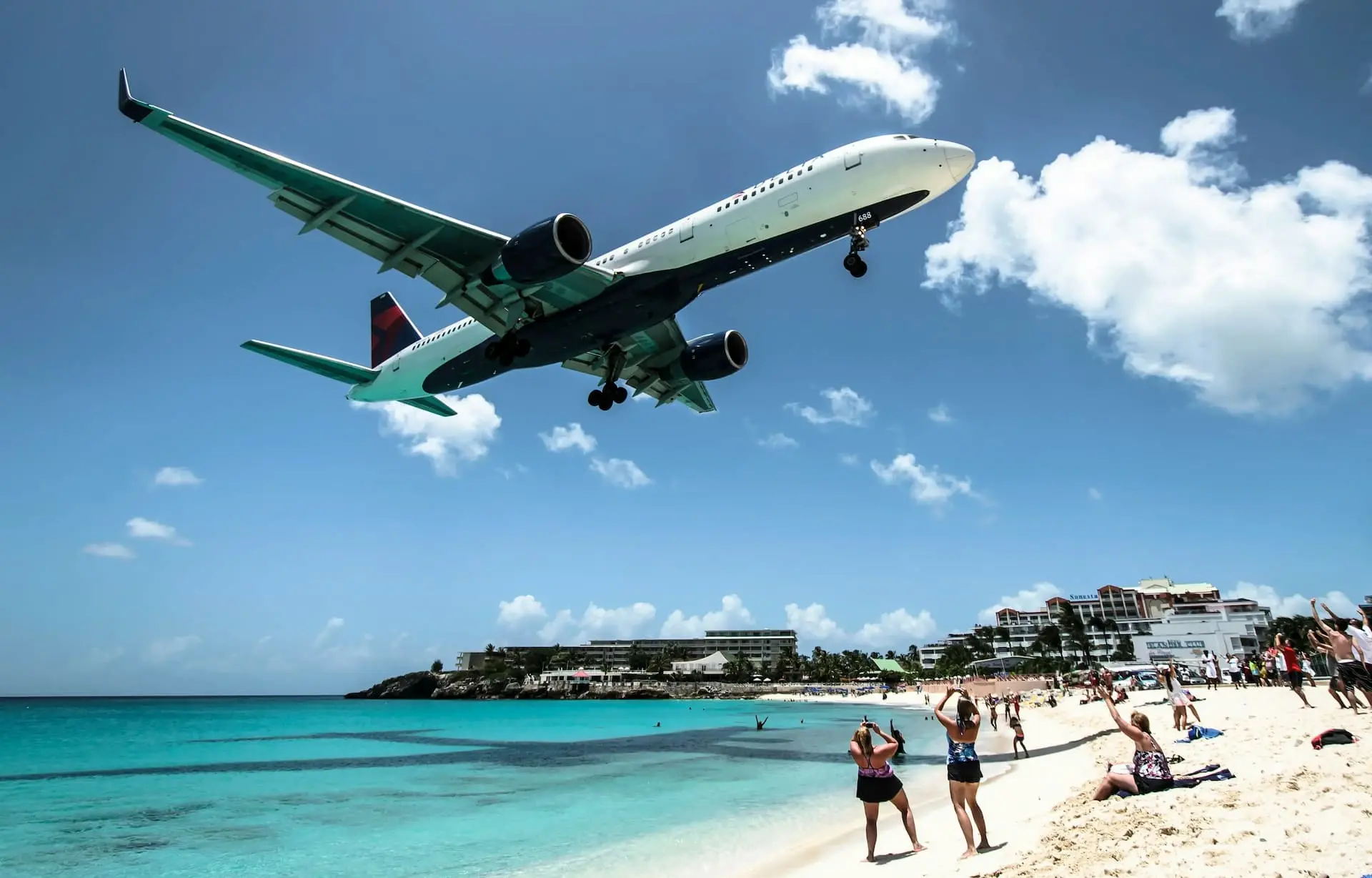
Maho is compact and busy, with hotels, restaurants, bars, casinos and Maho Beach concentrated within a relatively small area.
It suits visitors who prefer having entertainment close by and do not mind a more resort-oriented atmosphere.
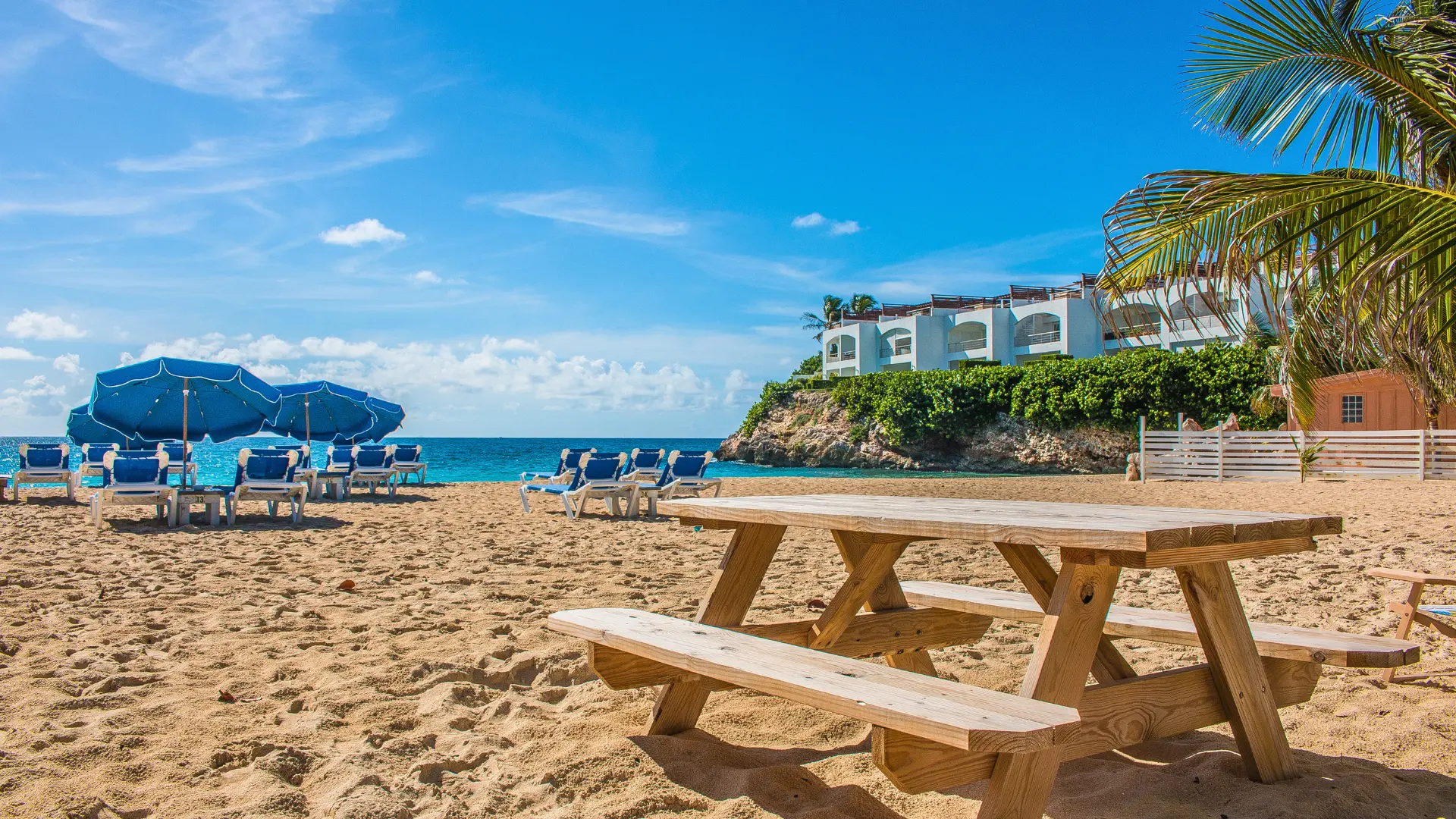
Cupecoy
Best for: a more residential western location with easy access to Maho and the French side.
Cupecoy sits towards the western end of the Dutch side, close to Mullet Bay, Maho and the French-side border.
Accommodation ranges from apartments and residences to larger properties, and the area tends to feel more residential than Maho while still keeping restaurants and entertainment within relatively easy reach.
It can work particularly well if you want to stay on the Dutch side without being directly in one of its busiest areas.
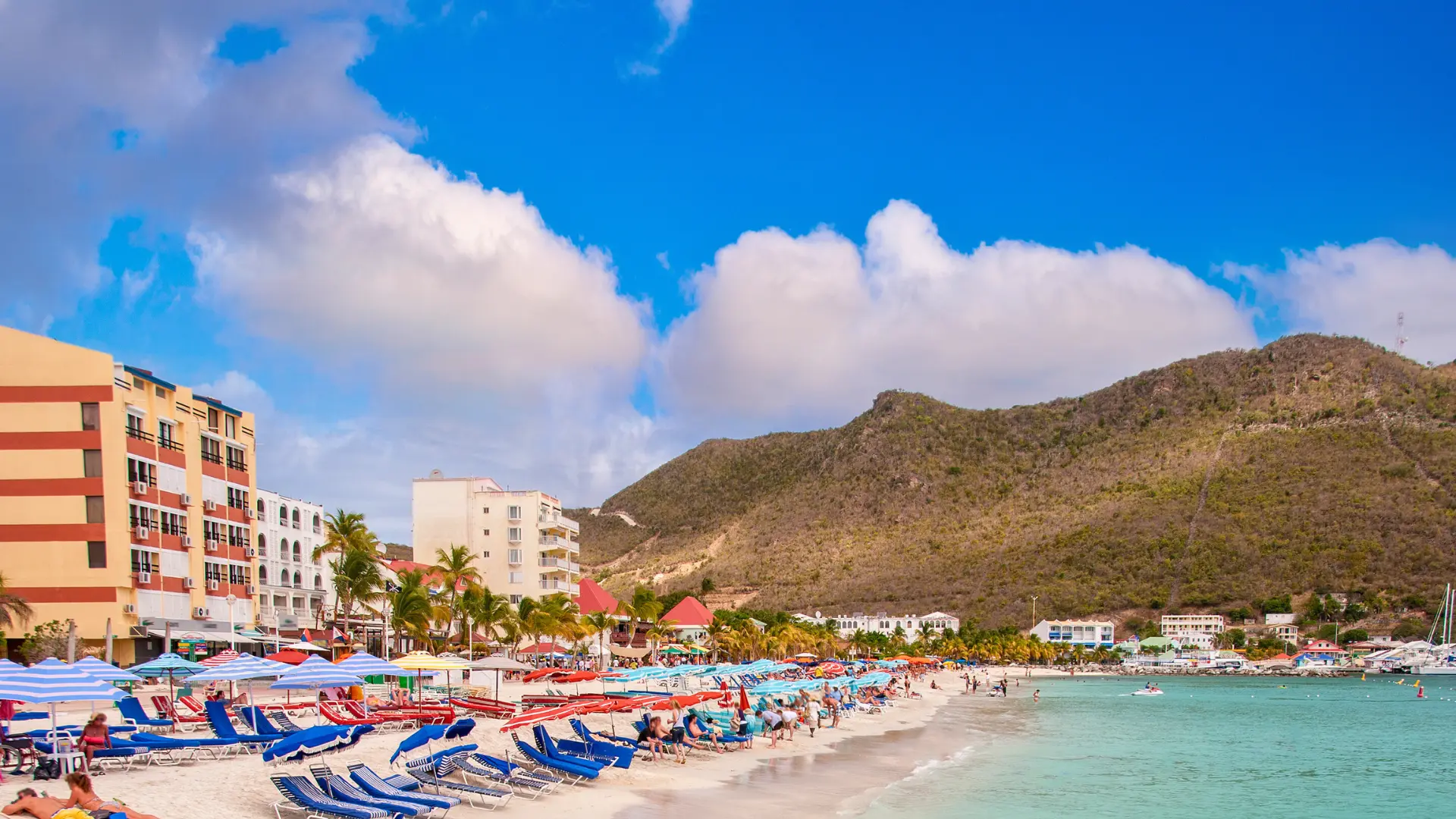
Philipsburg
Best for: Great Bay, shopping, the boardwalk and a town-centre stay.
Philipsburg is the capital of the Dutch side and offers a very different setting from the island’s resort areas.
Great Bay Beach, the boardwalk, Front Street and restaurants are all close together, making it one of the more walkable places to stay once you are in town.
It can be a convenient choice if you like having the beach and town immediately around you, although cruise-ship days can make the centre considerably busier.
Grand Case
Best for: dining, French-side atmosphere and beach access.
Grand Case combines a beachfront setting with a well-known dining scene.
It works particularly well for visitors who like being able to walk to dinner and want a French-side base with character.
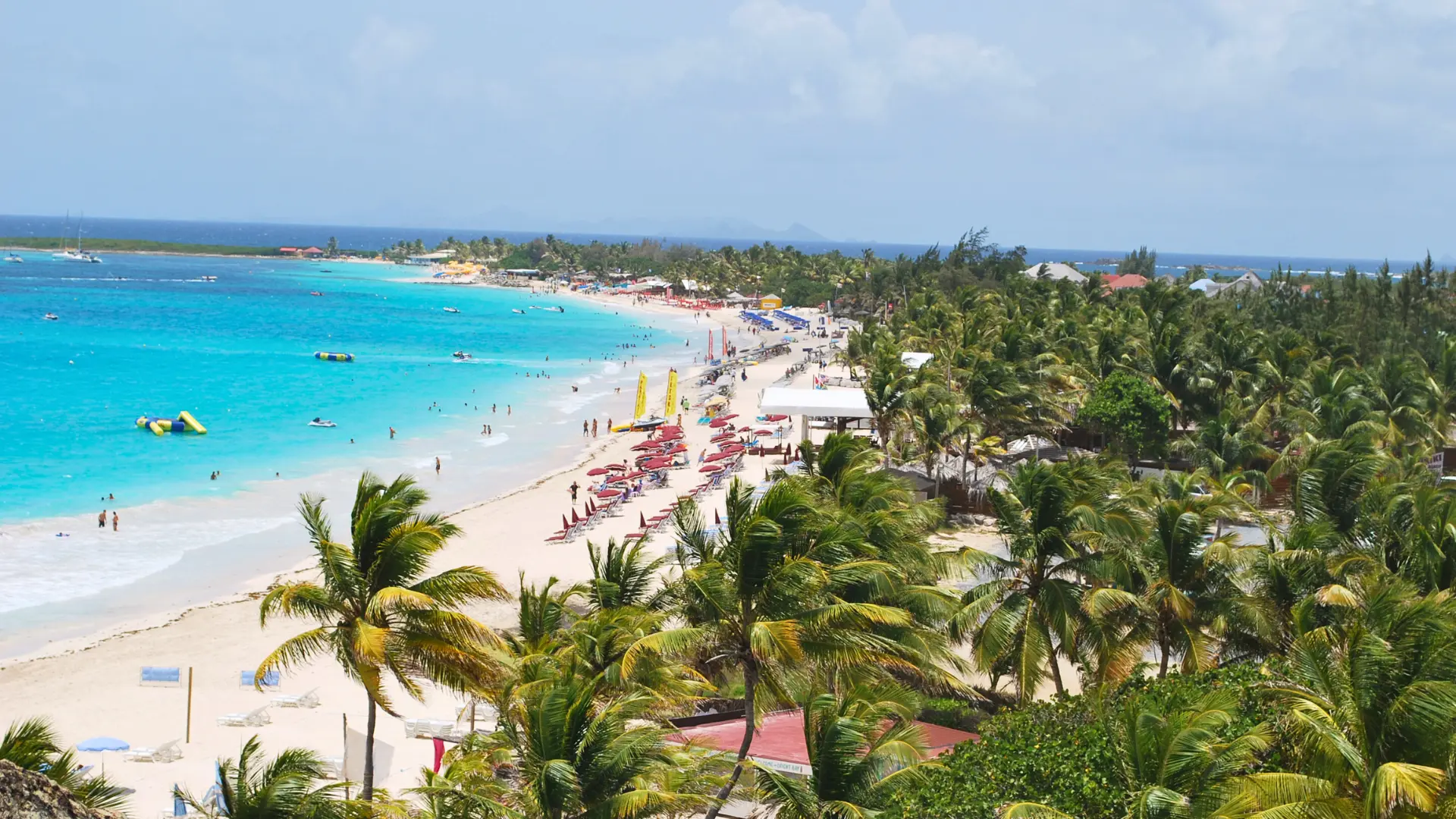
Orient Bay
Best for: a beach-focused stay with plenty nearby.
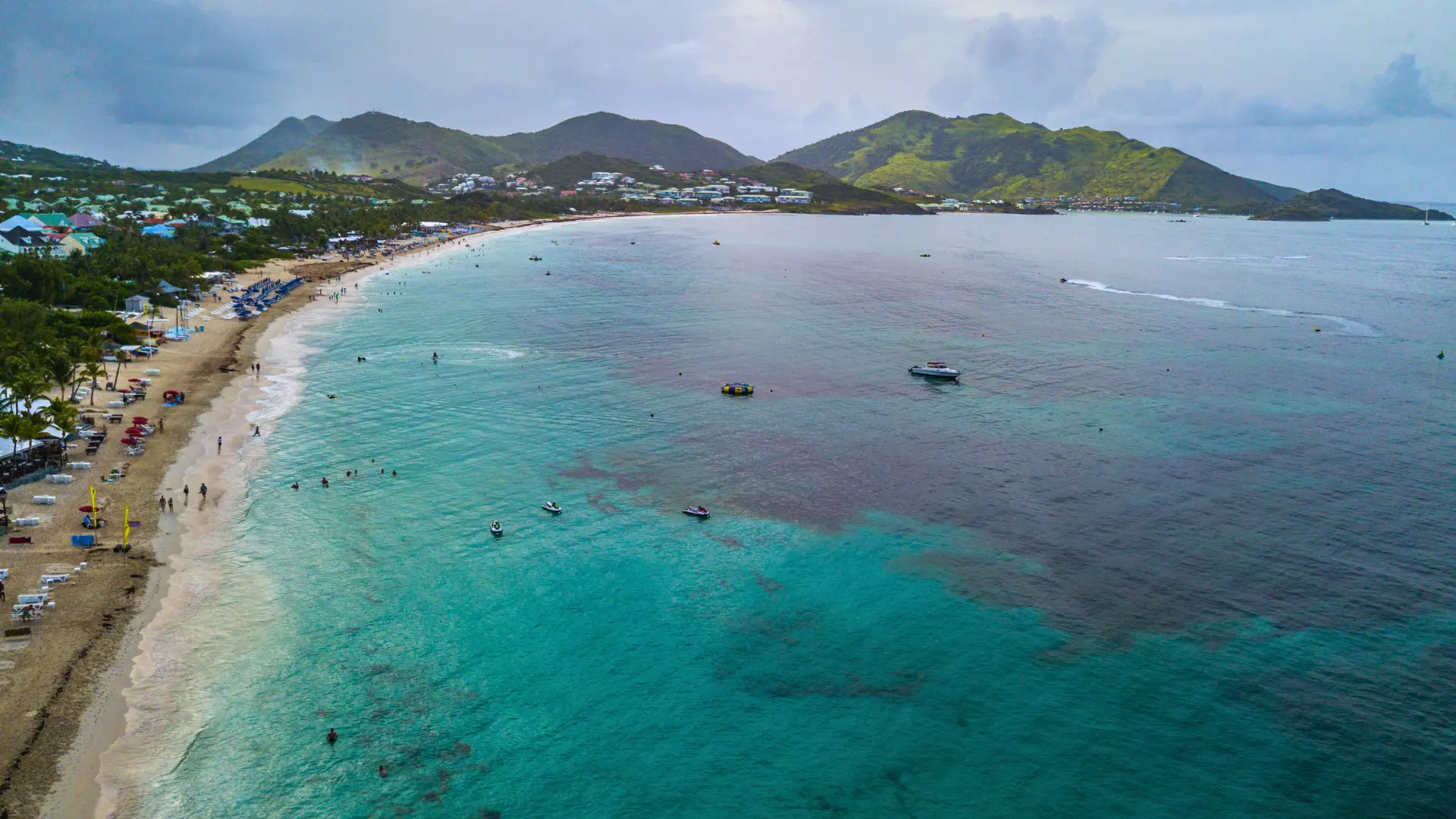
Orient Bay has a long beach, restaurants, beach clubs and accommodation concentrated around the bay and village.
It is a good option if much of your holiday is going to revolve around the beach and you prefer having restaurants and activity within easy reach.
Cul-de-Sac
Best for: Pinel Island access and a quieter northeastern French-side base.
Cul-de-Sac is a residential coastal area on the French side and the usual starting point for reaching nearby Pinel Island.
It can suit visitors looking for somewhere quieter than Orient Bay or Grand Case while remaining close to beaches and the northeastern side of St Martin.
A car is useful if you plan to explore widely from here.
Anse Marcel
Best for: a quieter northern French-side setting.
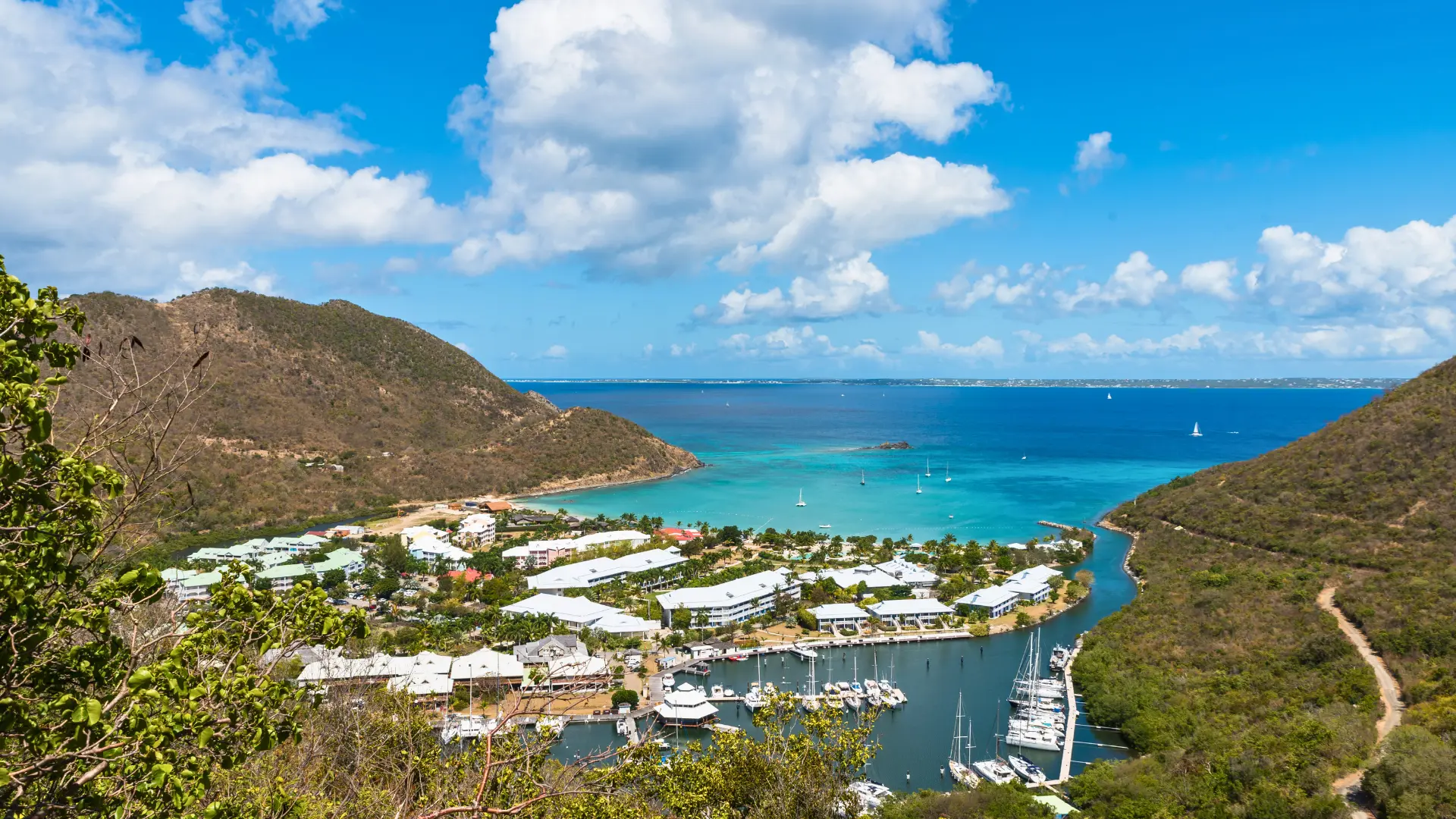
Anse Marcel sits in a sheltered bay in the north of the island.
It is more self-contained and generally quieter than places such as Simpson Bay or Orient Bay, making it appealing to visitors who prefer a slower setting.
Marigot and Nettle Bay
Best for: French-side access and a useful western location.
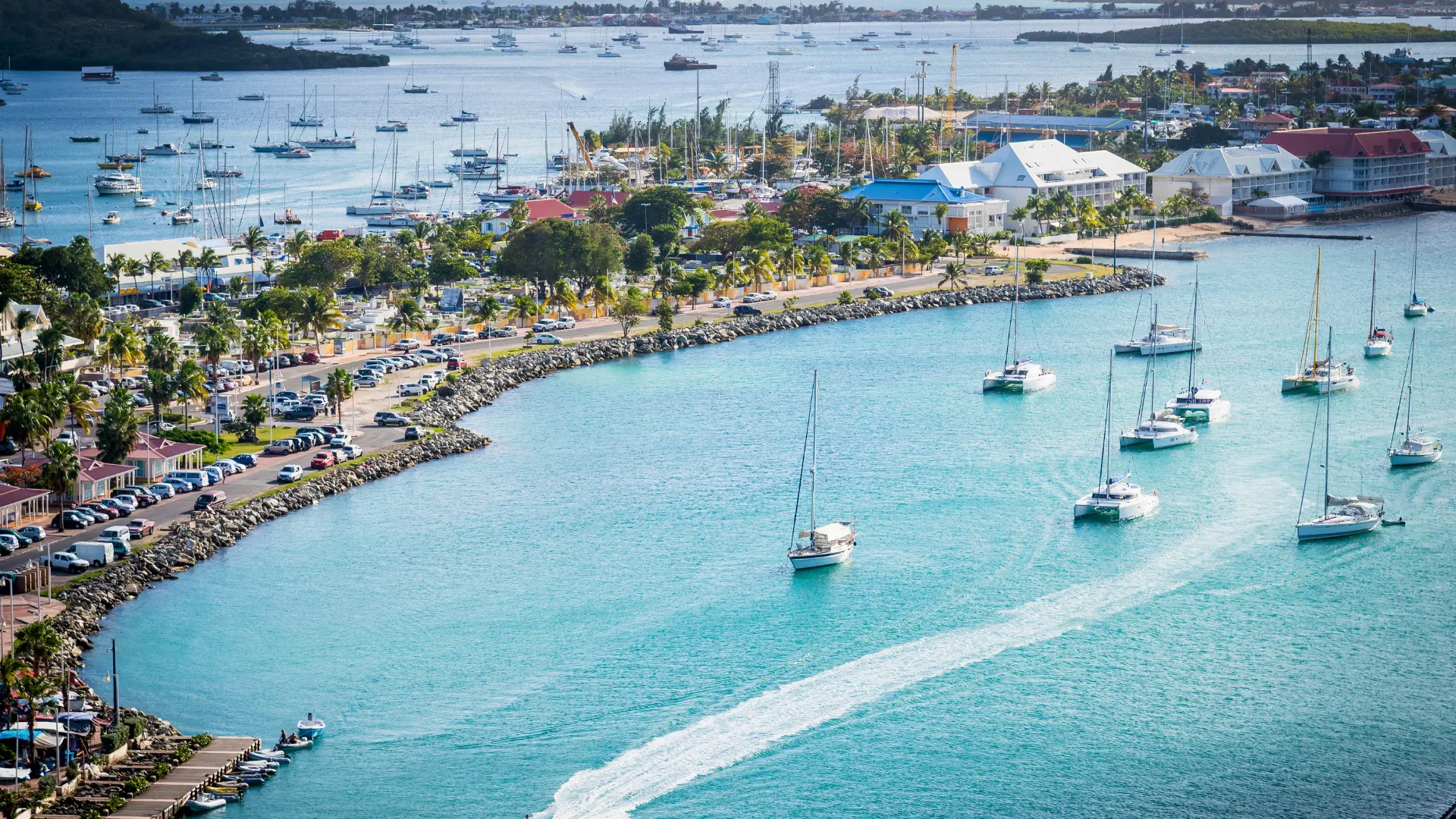
Marigot gives you easy access to the French-side capital and surrounding areas, while nearby Nettle Bay can work particularly well if you want to be positioned between Marigot and the western side of the island.
This area can also be convenient for certain private-charter departure points.
Terres Basses
Best for: villas, privacy and a quieter stay.
Terres Basses is primarily a villa area on the western French side.
It suits travellers looking for more space and privacy who are comfortable driving or arranging transport rather than relying on being able to walk to restaurants and shops.
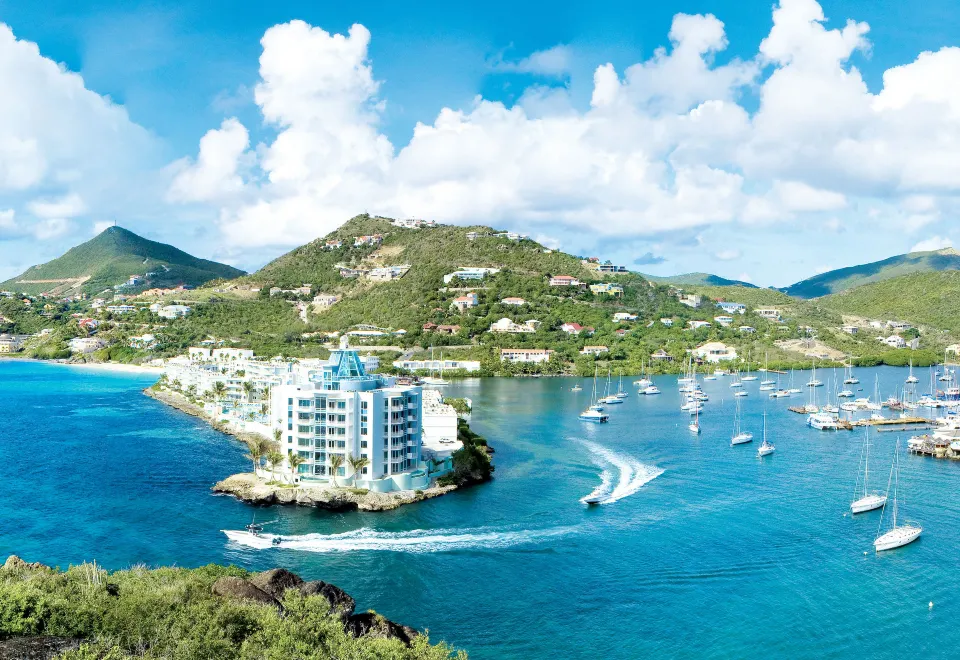
Oyster Pond
Best for: a quieter eastern location away from the island’s busier centres.
Oyster Pond sits on the eastern side of the island around the French–Dutch boundary.
The area is more residential and spread out than Simpson Bay, Maho or Grand Case, with villas and accommodation around the hills and coastline.
It suits visitors looking for a quieter base who are comfortable having a car or arranging transport rather than relying on being able to walk everywhere.
Getting around St Maarten & St Martin
The island is small, but journey times are not always as short as the distances suggest.
Where you stay and how much exploring you plan to do should determine the best transport option.
Renting a car
A rental car gives you the most flexibility if you want to visit different beaches, towns and both sides of the island independently.
It makes particular sense for villa stays or quieter areas where restaurants and beaches are not within easy walking distance.
You do not necessarily need to use the car every day, but having one can make spontaneous plans much easier.
Using taxis
Taxis can work well if most of your time will be spent around your accommodation and you only need transport for particular dinners, beaches, excursions or airport journeys.
For visitors who do not want to drive, this can be simpler than renting a car for an entire stay.
Public minibuses
Privately operated minibuses run between a number of the island’s main areas.
They do not follow a fixed public timetable, so they can be useful for simple point-to-point journeys but are less convenient if you want to explore several beaches or follow a tightly timed itinerary.
Walking
Walking works well within particular areas such as Grand Case, parts of Simpson Bay, Maho and Philipsburg.
It is not a practical way to explore the island as a whole.
Even places that look close on a map may not have a comfortable or practical pedestrian route between them.
Allow for traffic
Do not plan your days based only on distance.
Traffic can affect journey times, particularly around the busier Dutch-side areas and at certain times of day.
If you have a charter, restaurant reservation, flight or ferry to catch, leave more time than the map alone suggests.
Planning a boat departure
Where you stay can also affect which private-charter departure point is most convenient.
St Maarten has departure options on both the French and Dutch sides, so it is worth considering location before automatically choosing a particular boat.
When is the best time to visit St Maarten?
St Maarten is visited year-round, but the feel of the island changes with the season.
Your priorities may be good weather, quieter beaches, nightlife, events, value or simply travelling when your schedule allows.
November
November sits between the quieter autumn period and the busier winter season.
It can be an appealing time to visit if you prefer the island before the main winter period is fully underway, although tropical weather still requires some flexibility.
The official Atlantic hurricane season continues until 30 November, so keep an eye on current conditions as your trip approaches.
December to April
These are generally the busiest months of the year.
Demand for accommodation, restaurants and popular experiences is higher, so it makes sense to organise anything important earlier.
Christmas and New Year are particularly date-sensitive because many visitors are working around fixed holiday plans.
The island also tends to feel livelier during this period.
May and early summer
The period after the busiest winter season can feel noticeably quieter.
For visitors who prefer fewer crowds and a slower pace, this can be an appealing time to travel.
Weather can still vary from day to day, so flexibility remains useful.
Summer and autumn
Later summer and autumn are generally quieter and can bring warmer, wetter and more changeable conditions.
Some restaurants, businesses or activities may reduce their schedules during quieter periods, so it is worth checking anything that matters to your trip before relying on it.
Tropical weather and hurricane season
The official Atlantic hurricane season runs from 1 June to 30 November.
That does not mean every trip during this period will be disrupted, but it does make flexible bookings and appropriate travel protection worth considering.
Closer to your trip, use current forecasts rather than relying on long-range assumptions.
Plan your boat day early enough
If a private boat day is important to your holiday, give it some thought before you arrive — particularly during the busier winter months or if your travel dates are fixed.
You do not need every detail decided months in advance. But checking your options once you know your dates gives you more flexibility around the boat, departure point and destination.
Half-day or full-day?
A half-day works well if you want several hours on the water while keeping part of the day free.
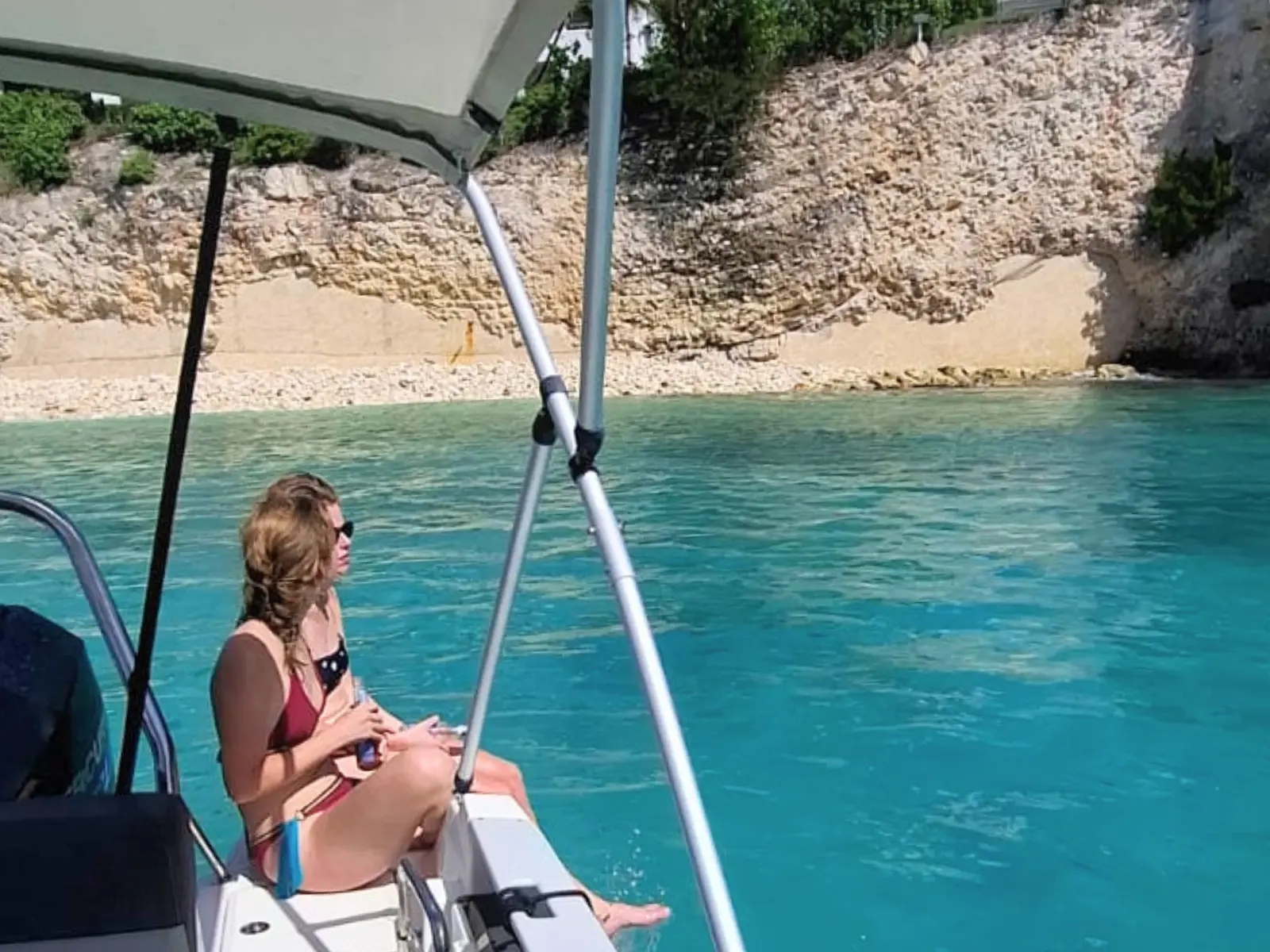
A full day gives you more time for swimming, snorkelling, beach stops and a relaxed pace.
If the boat day is one of the main experiences of your holiday, a full-day is usually worth considering.
Think about where you are staying
A boat departing close to your accommodation may be more convenient than an option requiring a long drive across the island.
Departure point becomes particularly important for families, larger groups and visitors with an early start.
St Maarten, Anguilla or St Barts?
You do not have to leave St Maarten to have an excellent boat day.
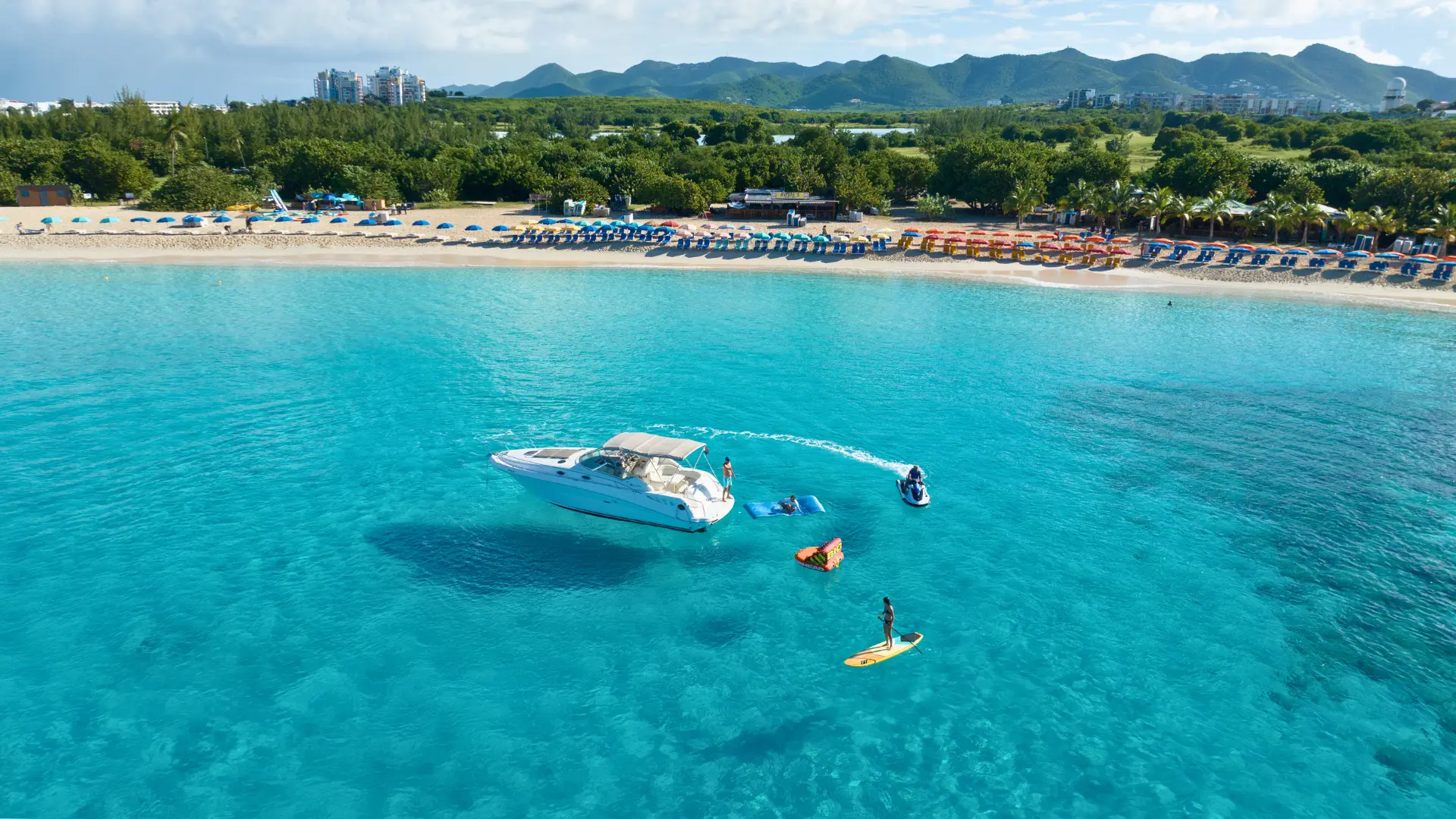
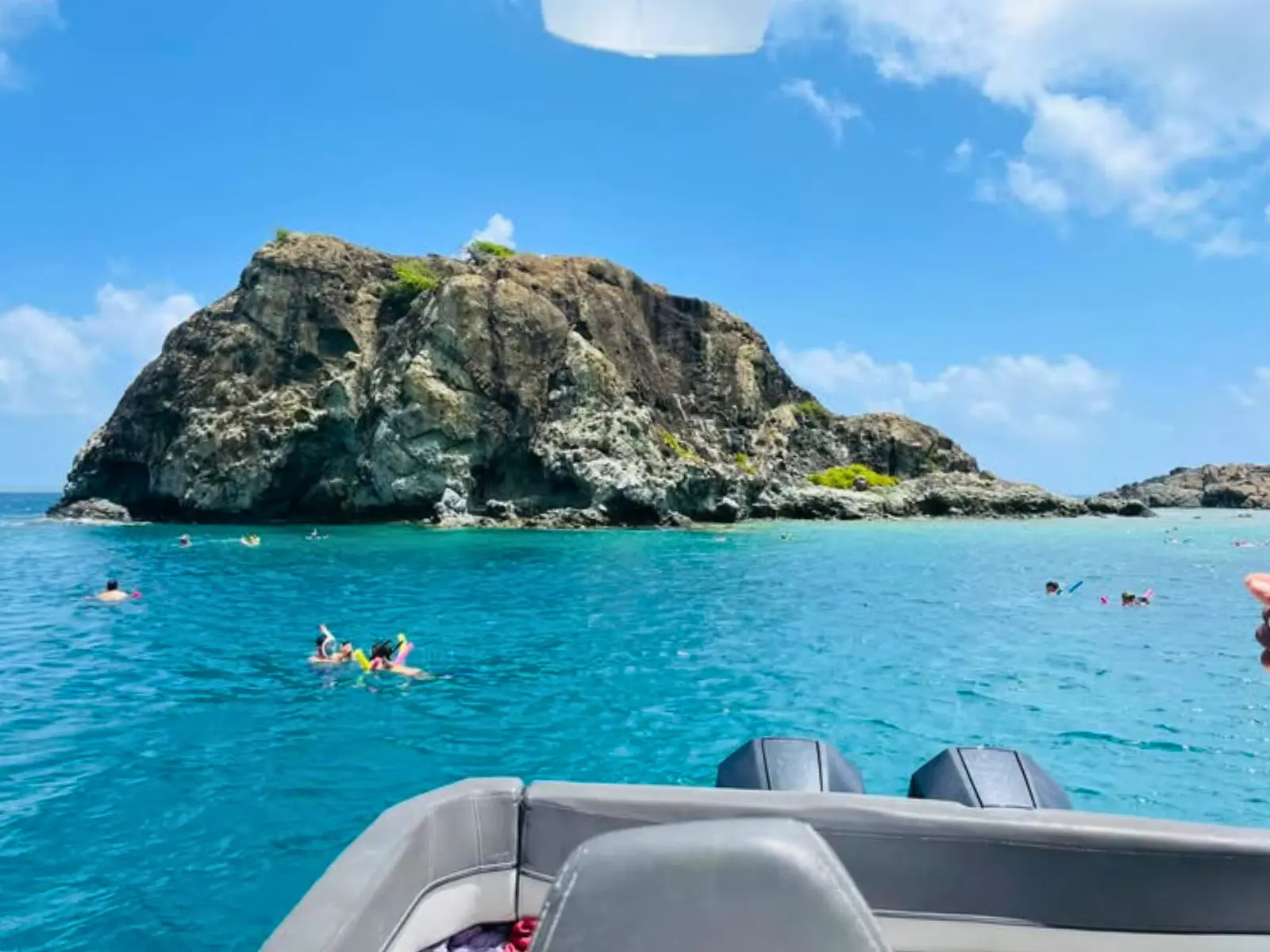
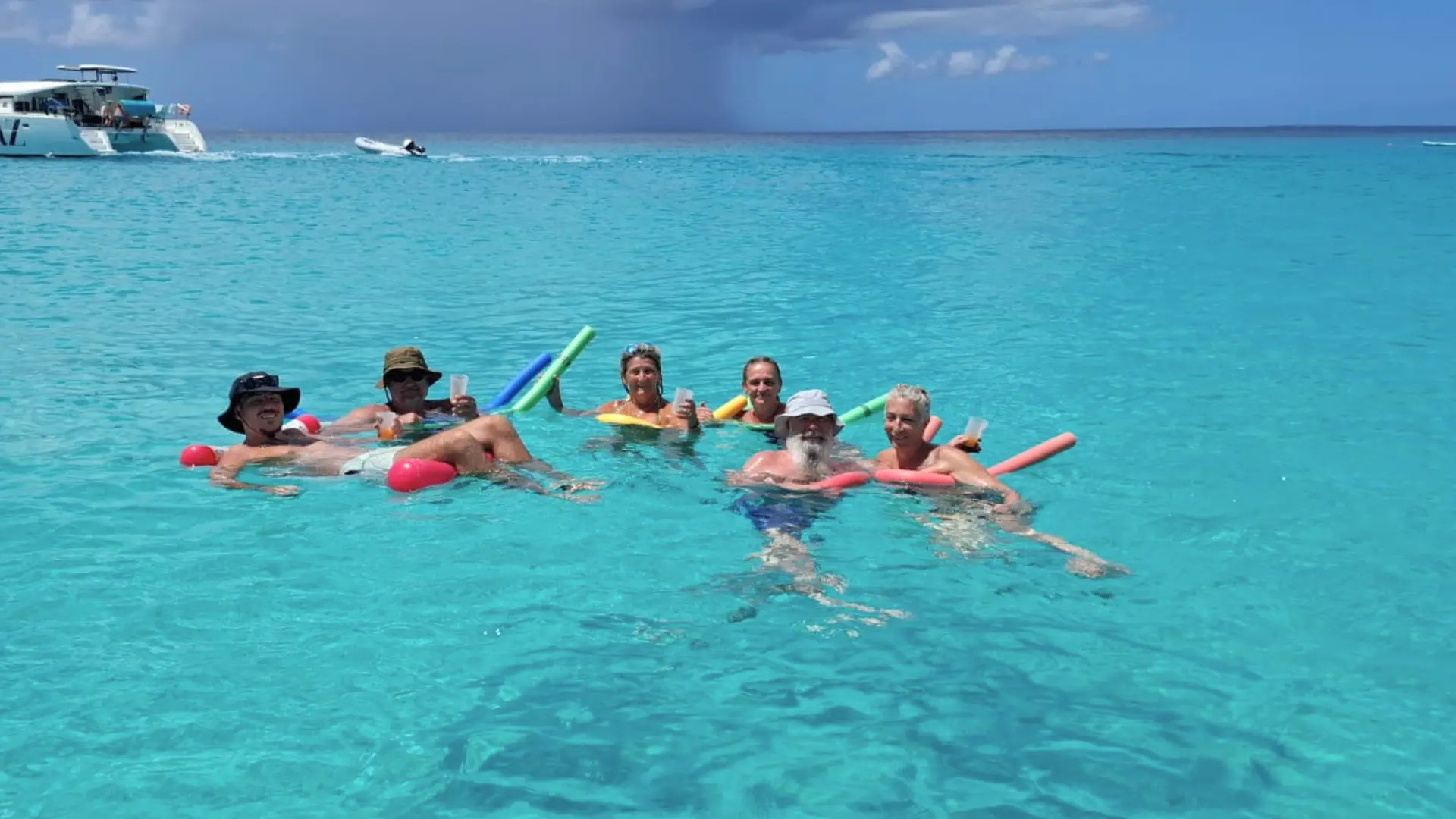
Staying around the island can mean less travelling and more time swimming, snorkelling and enjoying the boat.
Anguilla and St Barts are excellent options when the destination itself is an important part of the day.
Leave some flexibility
Weather and sea conditions can affect any boat trip.
If possible, avoid scheduling your most important charter for the final day of your holiday.
Having another suitable day available makes it much easier to adjust plans if necessary.
Anguilla, St Barts or stay around St Maarten?
St Maarten is an excellent base for neighbouring-island day trips, but Anguilla and St Barts offer very different experiences.
Neither is automatically the right choice for every group.
Anguilla
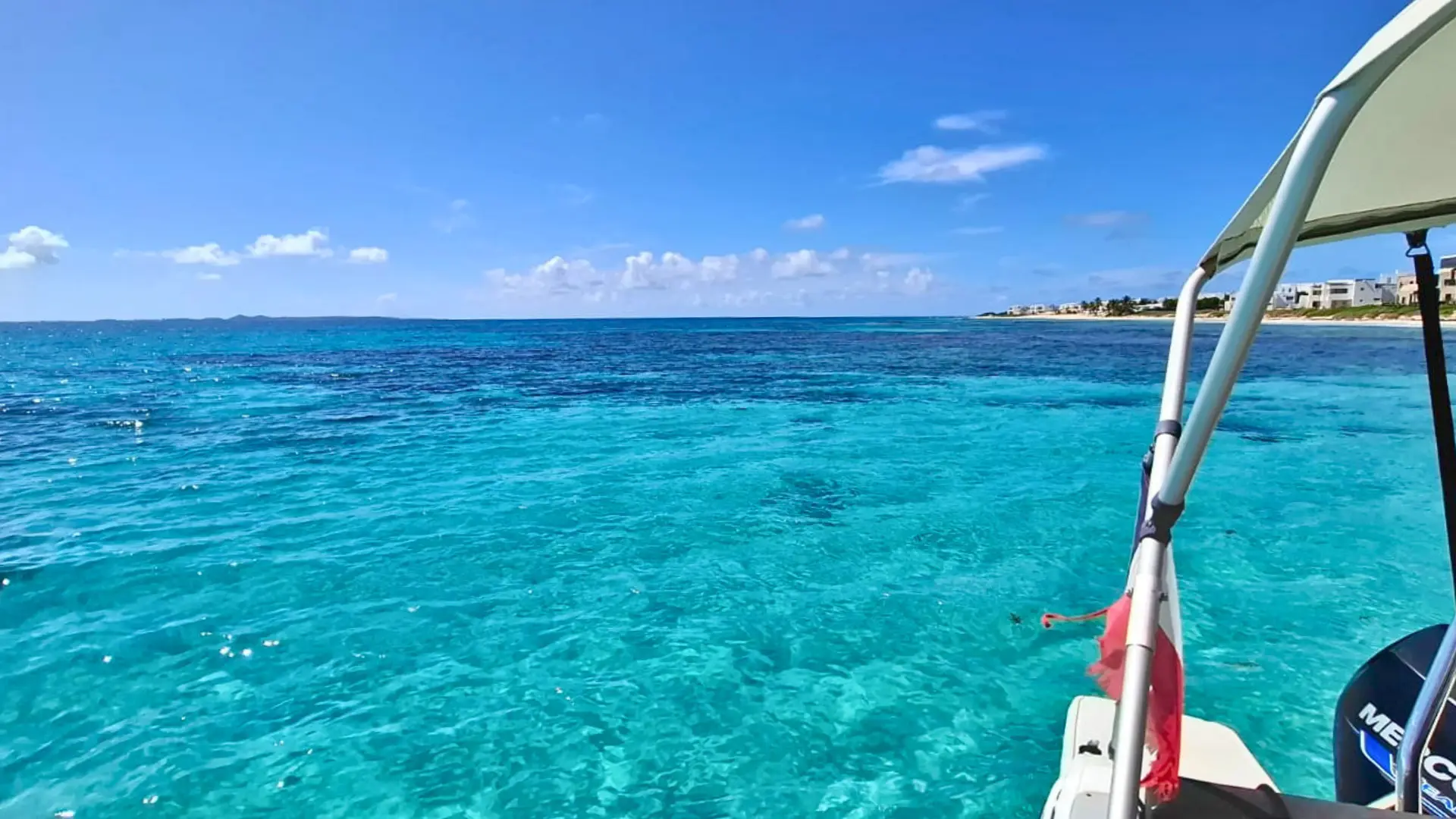
Anguilla is particularly appealing if your ideal day revolves around white-sand beaches, swimming, relaxed beach time and lunch ashore.
A private charter can make the journey part of the experience and gives you more flexibility over how the day is structured.
St Barts
St Barts is more destination-focused.
The day can combine the boat journey with beaches, restaurants and time ashore, creating a different experience from a beach-led Anguilla day.
Because it involves a longer and more exposed journey, it is worth considering the comfort and expectations of your group before choosing it.
Stay around St Maarten
Do not assume that leaving the island automatically creates the better boat day.
If your priority is swimming, snorkelling, beaches and relaxed time on the water, staying around St Maarten can mean less travelling and more time enjoying the boat itself.
Only have one day on the water?
Our guide compares the different options if you need to choose just one.
What should you book before you arrive?
You do not need to organise every hour of a St Maarten holiday before getting on the plane.
A little advance planning is useful. Overplanning usually is not.
Worth arranging earlier
Your accommodation
If your dates are fixed, this is naturally one of the first decisions.
Where you stay affects how you experience the island and how convenient different beaches, restaurants and departure points will be.
An important private boat day
If there is one particular day or experience that matters to your trip, it is sensible to check your options before leaving it until the last moment.
This is particularly useful for larger groups, fixed travel dates and busy travel periods such as Christmas and New Year.
Anything tied to a specific date
Special dinners, celebrations, events or other plans that cannot simply be moved to another day are worth organising earlier.
Leave some things flexible
You usually do not need to decide in advance:
- which beach you will visit every day
- where you will eat every lunch
- every sightseeing stop
- the exact order in which you will explore the island
Weather, traffic, energy levels and places you discover during the trip can all change the plan.
Leave enough space to enjoy that flexibility.
Sample St Maarten itineraries
These are not schedules you need to follow exactly.
Use them to understand how much comfortably fits into a trip without spending every day moving between activities.
A relaxed 3-day St Maarten itinerary
Day 1 — Settle in and explore nearby
Stay relatively close to where you are based.
Choose a beach or local area, have a relaxed lunch and use the first day to understand your surroundings rather than immediately driving around the entire island.
Day 2 — Make it your main experience
Use the second day for the experience that matters most to you, such as a private boat charter.
Scheduling it before your final day also gives you at least some flexibility if conditions require plans to change.
Day 3 — Explore the other side
If you are staying on the Dutch side, spend time around Grand Case, Marigot or another French-side area.
If you are staying on the French side, explore places such as Maho, Mullet Bay, Simpson Bay or Philipsburg.
Keep the day flexible if an earlier plan had to move.
A balanced 5-day St Maarten itinerary
Day 1 — Arrival and local area
Keep things easy and stay fairly close to your accommodation.
Day 2 — French-side exploration
Combine two or three places that naturally work together, such as Marigot, Fort Louis and Grand Case.
Day 3 — Boat day
Choose a half-day or full-day private charter depending on how important the experience is to your trip.
Choose St Maarten, Anguilla or St Barts depending on the type of day you want.
Day 4 — Beach and free time
Choose a beach based on the conditions and how you feel that morning.
Do not plan too much.
Day 5 — Dutch-side exploration
Spend time around Maho, Mullet Bay, Simpson Bay or Philipsburg depending on what interests you.
If your boat day had to move, this also gives you some flexibility.
A one-week St Maarten itinerary
Day 1 — Settle in
Explore the area around your accommodation and keep the first day simple.
Day 2 — French-side day
Spend time around Marigot and Grand Case, adding Fort Louis or a beach if you want.
Day 3 — Private boat day
A full-day charter works well here because there is still plenty of flexibility later in the week.
Choose St Maarten, Anguilla or St Barts depending on the type of day you want.
Day 4 — Slow beach day
Give yourself a genuinely unscheduled day.
Choose the beach based on conditions, have a long lunch or return somewhere you already liked.
Day 5 — Dutch-side day
Explore Maho, Mullet Bay, Simpson Bay, Philipsburg or a combination that suits your interests.
Day 6 — Flexible day
Use this for another beach, Pinel Island, an experience you discovered after arriving or a neighbouring-island trip if you have not already taken one.
It also gives you useful flexibility if your boat day had to move.
Day 7 — Keep the final day easy
Stay fairly close to your accommodation, revisit somewhere you enjoyed and avoid creating an unnecessarily stressful final day.
Practical things to know before your trip
A few simple details can make planning easier.
Arriving by air
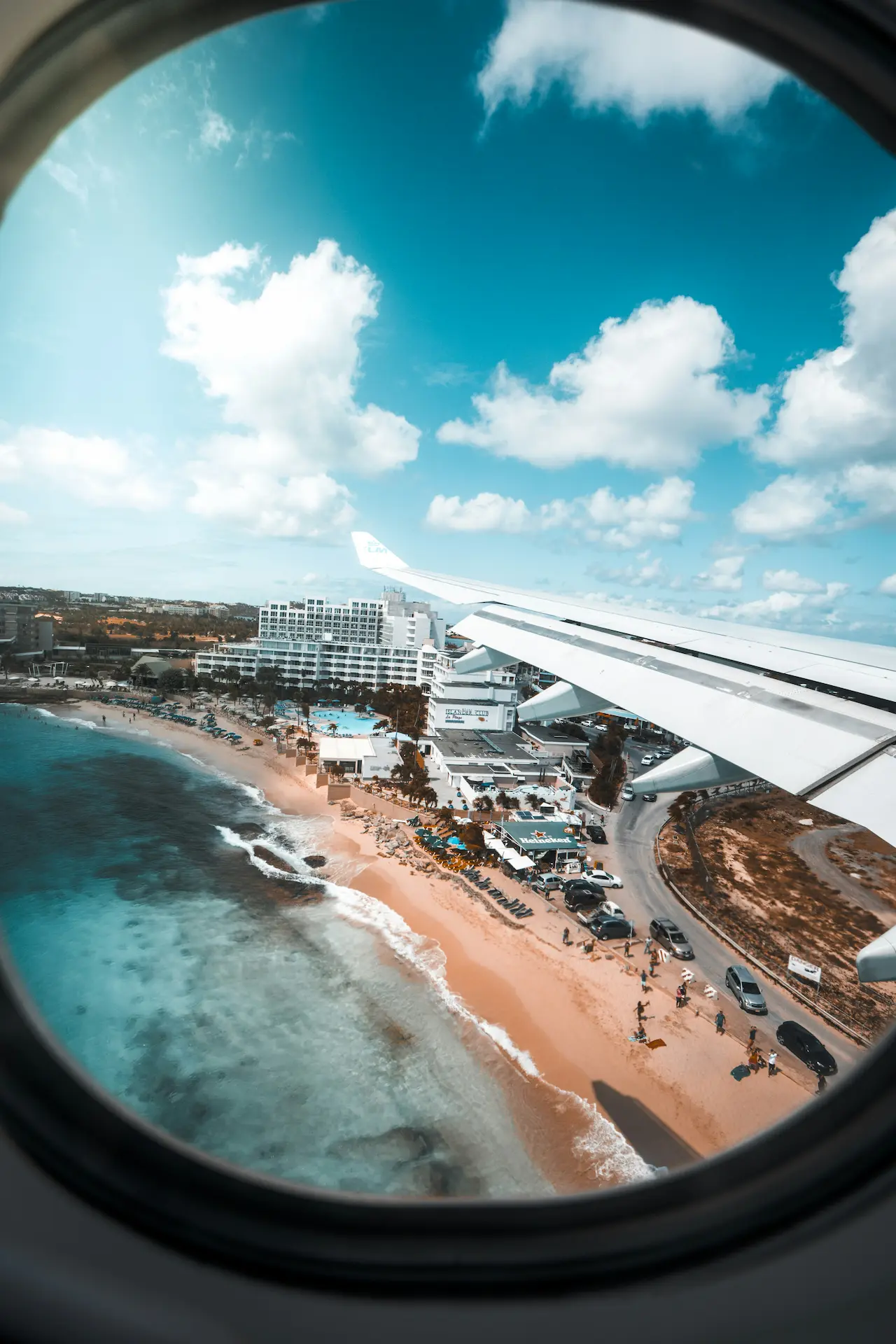
Princess Juliana International Airport, usually referred to as SXM, is the island’s main international airport on the Dutch side.
Grand Case-Espérance Airport, SFG, is on the French side and is used primarily for regional Caribbean travel.
Travel documents
Entry and travel-document requirements can depend on your nationality, route and the places you intend to visit.
Requirements for St Maarten / St Martin are not necessarily the same as those for a day trip to Anguilla or St Barts.
Check current official requirements for your own circumstances before travelling.
Money and payments
On the Dutch side, US dollars are the everyday currency for most visitors.
On the French side, the euro is the official currency, although US dollars are widely accepted in tourist areas and many businesses across the island.
Cards are widely accepted, but it is still useful to carry some cash for smaller purchases, tips and places that may prefer cash.
If paying in US dollars on the French side, check the exchange rate being used rather than assuming it will always be one-to-one.
Mobile data and roaming
Mobile networks and roaming behaviour can differ between the French and Dutch sides.
Before travelling, check whether your mobile plan or eSIM provides the coverage you expect across both sides of the island.
Electricity and plugs
The two sides of the island use different electrical standards.
Dutch St Maarten generally uses 110/120V, while French St Martin uses 220V.
Check the plugs and voltage used by your accommodation and bring an adapter if your devices require one.
Driving
If you plan to rent a car, check the rental company’s licence, insurance, deposit and fuel requirements before collection.
Do not assume that driving times will always match the shortest estimate shown on a map.
Boat trips to neighbouring islands
Travelling to Anguilla or St Barts involves immigration and clearance requirements.
Bring the travel documents required for your nationality and confirmed route, and follow the instructions provided for your chosen charter.
What to pack
For most days, keep it simple:
- lightweight clothing
- sun protection
- comfortable footwear
- swimwear
- reusable water bottle
- any medication you need
- suitable travel documents for neighbouring-island trips
For boat days, avoid bringing more than you need and follow any specific instructions supplied before departure.
Looking for ideas for your days?
Once you know roughly where you are staying and how much time you have, the next step is deciding what you actually want to do.
Our Things to Do guide covers private boat days, beaches, Maho, Pinel Island, Grand Case, local areas, family ideas and other ways to spend your time on St Maarten and St Martin.
Planning guides that may help
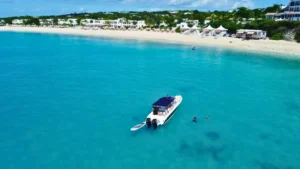
→ Decide how much time you really need for the kind of boat day you want.
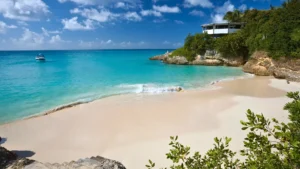
→ Compare the two ways of reaching Anguilla and understand the type of day each creates.
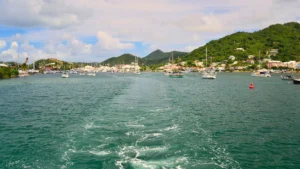
→ Understand how changing conditions can affect plans and why some flexibility can help.
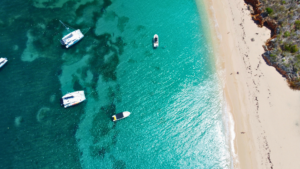
→ Choose the most convenient starting point based on where you’re staying and where you want to go.
Frequently asked questions
How many days do you need in St Maarten?
Three days is enough for a short introduction, but around five to seven days gives you much more room to explore both sides, enjoy beaches at a relaxed pace and include a boat day without rushing.
Longer stays make it easier to add Anguilla or St Barts while still leaving plenty of time for St Maarten itself.
Which side of St Maarten is better to stay on?
Neither side is universally better.
The Dutch side generally suits visitors looking for convenience, nightlife, larger resorts and areas such as Simpson Bay and Maho.
The French side includes Grand Case, Orient Bay, Marigot, Anse Marcel and quieter villa areas.
Choose the area according to the type of holiday you want rather than simply choosing French or Dutch.
Do I need a car in St Maarten?
Not necessarily.
A rental car is useful if you want to explore beaches and different parts of the island independently, particularly if you are staying in a villa or quieter area.
If you are staying somewhere walkable and only expect to make occasional trips, taxis may be enough.
When is the best time to visit St Maarten?
The busiest period generally falls between December and April, while other parts of the year tend to be quieter.
The best time depends on whether you prioritise atmosphere, fewer crowds, weather, events or travel dates.
If you are travelling over Christmas or New Year, it is worth arranging anything tied to a particular date earlier.
Later summer and autumn also require greater awareness of tropical weather.
Should I book activities before arriving?
Book anything that is particularly important to your trip or tied to a fixed date.
For the rest of the holiday, leaving some flexibility can be useful.
You generally do not need to decide every beach, meal and sightseeing stop before arriving.
Is Anguilla worth a day trip from St Maarten?
Anguilla can be an excellent choice if you want white-sand beaches, swimming and a relaxed day ashore.
It is not essential, however. Staying around St Maarten can create an equally good boat day with less travelling.
Is St Barts worth a day trip from St Maarten?
St Barts suits visitors looking for a destination-focused day combining the boat journey with beaches, restaurants and time ashore.
Because the journey is longer and more exposed than many local routes, consider the comfort and expectations of your group before deciding.
When should I schedule a private boat charter during my holiday?
If the boat day is important to you, avoid leaving it until the final possible day.
Scheduling it earlier in the trip gives you more flexibility if weather or sea conditions require plans to change.
Ready to start planning your time in St Maarten?
Tell us your dates, group size, where you are staying and the kind of day you have in mind.
We’ll help you understand the private charter options that may suit your plans and point you towards the right information if you are still deciding.
Based on the island. Here to help.
Based in St Martin / St Maarten
Speak to someone who knows the boats
Flexible help before and after booking
EXPLR.SX is based in St Martin / St Maarten and helps visitors plan private boat charters, island day trips and selected experiences across St Maarten, Anguilla and St Barts.
We’ll help you understand the options and choose what makes sense for your group, timing and plans.